


WHAT FOOD DOES VIETNAM EXPORT?
𝐕𝐢𝐞𝐭𝐧𝐚𝐦’𝐬 agricultural sector is integral to the nation’s economy and workforce. As the world's second-largest exporter of rice and coffee, Vietnam produces a variety of foodstuffs and aquacultural products then exports to other countries.
𝐓𝐨𝐩 𝐕𝐢𝐞𝐭𝐧𝐚𝐦 𝐟𝐨𝐨𝐝 𝐞𝐱𝐩𝐨𝐫𝐭 𝐢𝐭𝐞𝐦𝐬:
• Rice
• Coffee
• Seafood
• Fruits & Vegetables
• Spices
𝐕𝐢𝐞𝐭𝐧𝐚𝐦 also exports processed foods, for example, canned seafood, canned fruits, instant noodles, and confectionery.
WHAT ARE THE BEBEFITS OF SOURCING FOOD & AGRICULTURAL PRODUCTS FROM VIETNAM?
𝐕𝐢𝐞𝐭𝐧𝐚𝐦 is a top choice for importing food and agricultural products, offering diverse crops and high-quality products. In this section, we will take a look at the benefits of sourcing from Vietnam.
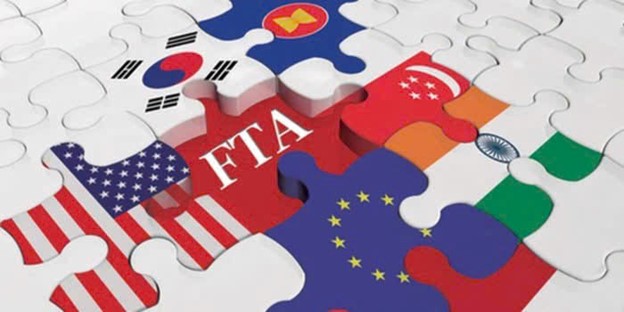
𝐕𝐢𝐞𝐭𝐧𝐚𝐦 has established several free-trade agreements with various countries worldwide. For importers from nations with these agreements, sourcing from Vietnam may present a strategic opportunity. Some notable agreements include:
• 𝐀𝐅𝐓𝐀: As a member of ASEAN, Vietnam is a part of The ASEAN Free Trade Area (AFTA). This agreement supports trade and manufacturing amongst the member countries, including Vietnam, Singapore, Indonesia, Malaysia, Thailand, Cambodia, Laos, Myanmar, and Brunei.
• 𝐄𝐕𝐅𝐓𝐀: EU-Vietnam Free Trade Agreement that became effective in 2020 is another great support as the EU and Vietnam plan to remove 99% of all customs duties.
• 𝐂𝐏𝐓𝐏𝐏: The Comprehensive & Progressive Agreement for Trans-Pacific to support Vietnam, Singapore, Malaysia, Brunei, Australia, New Zealand, Canada, Chile, Japan, Mexico, and Peru, effective from 2019.
• 𝐈𝐏𝐄𝐅: The agreement Indo-Pacific Economic Framework for Prosperity among America, Australia, New Zealand, Brunei, India, Indonesia, Japan, Korea, Malaysia, Philippines, Singapore, and Vietnam.
THE STRATEGIC LOCATION BRINGS COMPETITIVE LOGISTICS
𝐕𝐢𝐞𝐭𝐧𝐚𝐦’𝐬 location is highly advantageous for the logistics and supply chain industry, providing multiple options for shipping to other countries by air, road, sea, and rail. There are multiple famous suppliers like Maersk, Gemadept, DHL, UPS, Kuehne + Nagel, Schenker, Expeditors, and many other local companies.
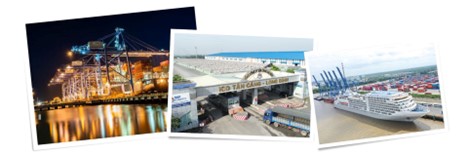
𝐎𝐧 top of that, Vietnam has 1,900 miles of coastline and 44 international seaports, amongst 320 ports in total, with a total capacity of 470-500 million tons per year, positioning Vietnam as a significant player in global trade. Hence, importing products from Vietnam can be more beneficial in terms of time, means of transport, and cost-effectiveness.
OTHER COMPETITIVE ADVANTAGES
• 𝐋𝐚𝐛𝐨𝐫 𝐜𝐨𝐬𝐭𝐬 in Vietnam are relatively lower than those of its neighbors (e.g., around one-third of China’s on average), and wages are increasing slowly. Additionally, the labor pool is large, as 56% of the population (98 million) belongs to this group.
• 𝐕𝐢𝐞𝐭𝐧𝐚𝐦’𝐬 𝐦𝐚𝐧𝐮𝐟𝐚𝐜𝐭𝐮𝐫𝐢𝐧𝐠 capabilities in food and agriculture have been proven by some global recognitions, such as being the second-biggest exporter of rice and coffee in the world, seventh and fifth in worldwide tea production and exports, respectively, third-largest seafood export, etc...Vietnam’s rice is mainly exported to Asian and African countries, with the Philippines and China as the top two. Vietnam’s main coffee export markets include Europe, the USA, Russia, Japan, and the UK. Vietnam’s major seafood export markets are Japan, the USA, and Europe.
BEST PRACTICES: 𝐅𝐨𝐨𝐝 𝐐𝐮𝐚𝐥𝐢𝐭𝐲 𝐂𝐨𝐧𝐭𝐫𝐨𝐥 𝐢𝐧 𝐕𝐢𝐞𝐭𝐧𝐚𝐦
𝐎𝐧𝐜𝐞 you have a list of potential suppliers, checking their credibility through a supplier audit is always a good practice. In the wake of Covid-19, food hygiene has become a top product priority. Each country has different regulations depending on the type of imported product. To import from Vietnam, you should check your country’s food safety requirements. It’s also a good idea to regularly inspect the food products at your suppliers site, to ensure that they’re delivering the right quantity and quality to you. These Vietnam food quality inspection services include: pre production inspection, survey/damage survey, loading supervision/discharging supervision and others.